


Oxidised copper
Brown is not a stage on the way. Brown is a decision.
The warm tones copper only takes on outdoors after months are available from us ex works. Four surfaces, from copper orange to almost anthracite, each made by hand.
See the four tonesCopper orange, red brown, ochre, anthracite
Laid side by side they trace the path a copper surface takes outdoors over months and years. Taken on its own, each tone is a finished state.


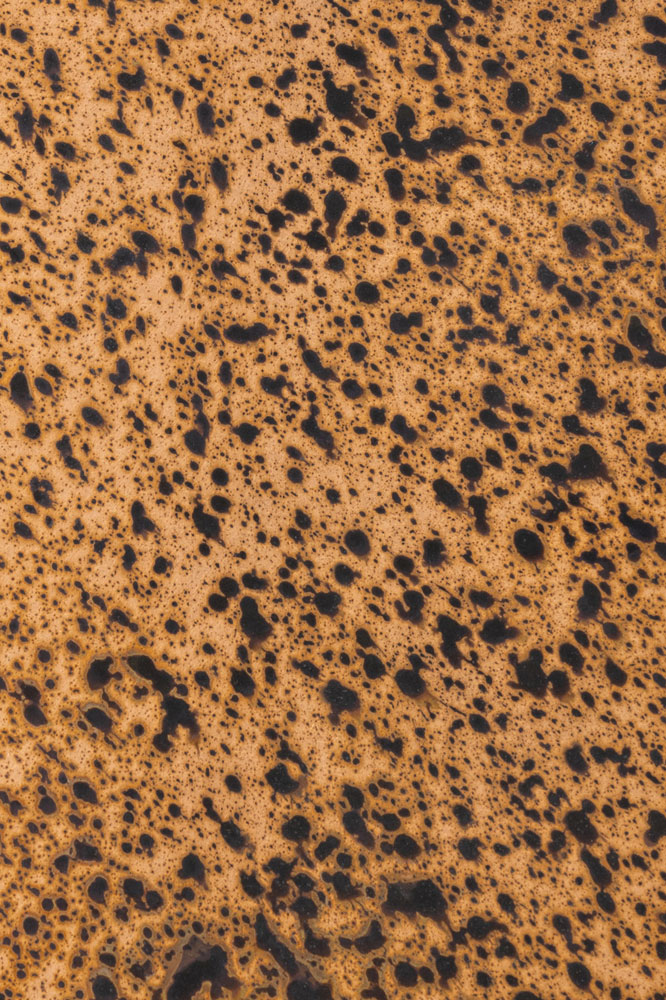
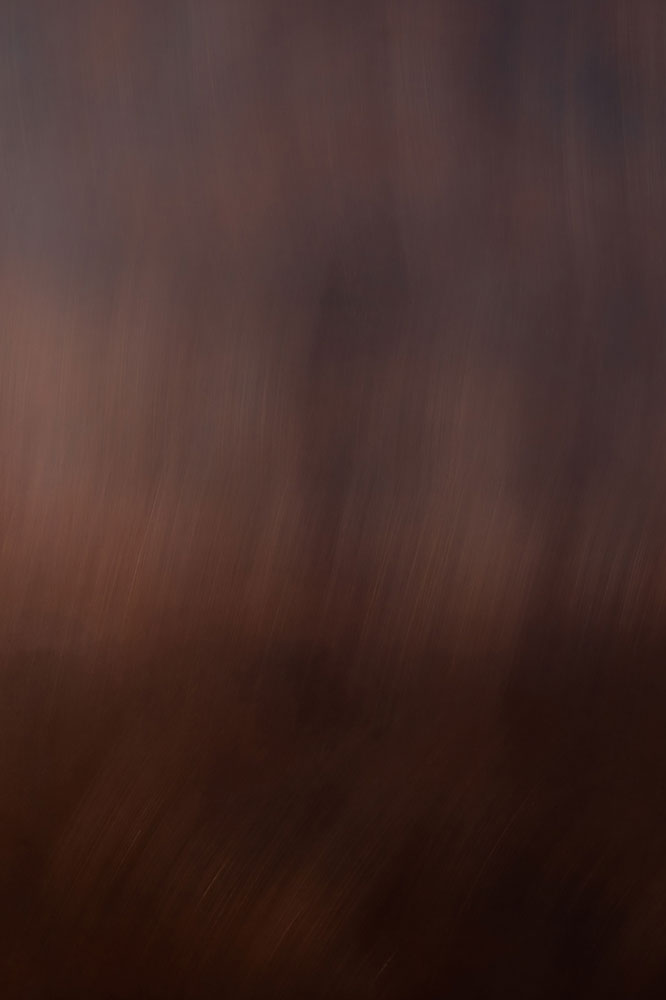
The images show sample surfaces from our own production. Colour and texture read differently on a screen than in the hand; what is binding is the approved sample.
The same process, only earlier
Copper combines with oxygen in the air. Within a few hours an oxide film sits on the bare surface that nobody can see. Over months it keeps growing, the metallic shine disappears and the surface turns an even brown. Over years that brown deepens until it arrives at an anthracite brown.
The four tones map exactly that span. The only difference is where it happens: in the workshop, under steady conditions, rather than outdoors on the building over years. For planning that means the colour is fixed on delivery and does not have to be waited for.
Information on how the layer builds up follows the German Copper Institute information sheet i.30.
Brown or green
Both are copper, both are colour that genuinely grew, but they are two different compounds and two different pictures on a building.
Not just the colour
The surface is what we are known for. The rest belongs with it, so a component leaves the workshop finished.
Cutting
Laser cutting in house, to your drawings.
Bending
Folding and forming before the surface is created.
Surface
Oxidised by hand, tone to the approved sample.
Welding
Joining and finishing on the completed component.
What planners want to know
What does oxidising copper mean?
Copper combines with oxygen in the air. After only a few hours an oxide film sits on the bare surface, still invisible to the eye. Under moisture and airborne substances that layer keeps growing, the metallic shine disappears and the surface turns brown. When we oxidise in the workshop we bring that process forward instead of leaving it to the weather. The component arrives on site already coloured.
How is this different from patinated copper?
It is the same material at two different points along its path. Oxidised copper sits at the warm brown tones, patinated copper at the familiar green. Both are copper compounds, just different ones: brown comes from the oxide, green from basic carbonates and sulphates. If you are looking for green, our copper patina site covers it.
Does the oxidised surface keep changing later?
Indoors it stays as delivered, as a rule. Outdoors the weather carries on working: on vertical surfaces copper darkens over the years and usually settles at an anthracite brown, which is the final colour state there. On pitched roof surfaces it develops further towards patina green, because precipitation stays on the surface longer.
Why not simply colour the metal on site?
Because on large surfaces the result usually turns out patchy. Chemical colouring agents are intended for small items indoors; under site conditions neither temperature nor dwell time nor quantity can be controlled evenly. The German Copper Institute advises against it. Factory-coloured sheets and strips arrive in consistent quality instead.
Are the four tones exactly reproducible?
Every surface is made by hand, so no two are identical down to the last spot. That is precisely the appeal. Within one project we match the batches to each other. What is binding is always the approved sample, never the image on a screen.
Which components suit oxidised copper?
We finish what we are supplied with or cut in house: wall claddings, interior linings, furniture fronts, objects and art in architecture. Cutting, bending and welding also run through our workshop. What is possible in a given case we clarify against the project.